
You've sorted the recycling bins. You've briefed your vendors on compostable serviceware. You've put together a transportation plan for your performers, sourced locally produced food, and set up water refill stations across the site. So why does it still feel like your sustainability efforts aren't landing with attendees?
Here's the thing: most event sustainability programs are designed for the back of house. The planning, the reporting, the vendor negotiations — all invisible to the person who just paid $150 to spend a Saturday at your festival. And if your attendees can't see your green initiatives, they can't participate in them.
In fact, your event layout software helped you think through all of it — prompting you to account for each element and making sure everything was actually placed on your map where it belonged. So why does none of that feel visible to the person walking through your gates?
That's where a public-facing event sustainability map changes everything.
Why Visibility Is the Missing Piece
Think about the last time you tried to find a recycling bin at a large event. If you couldn't spot one within about 30 seconds,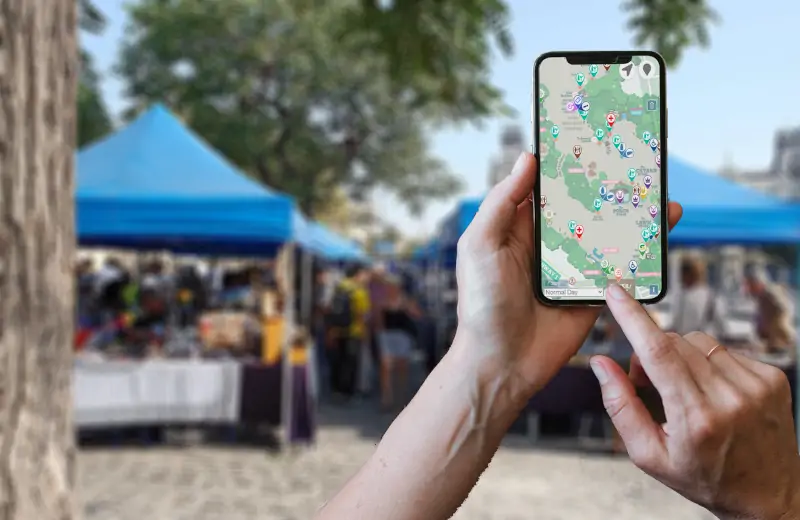 there's a good chance whatever was in your hand ended up in the nearest trash can — not because you didn't care, but because the friction was too high.
This is one of the most underappreciated truths in sustainable event planning: behavior follows convenience. Making the sustainable choice the easy choice is more effective than any amount of signage or announcements.
An interactive, public-facing event map clearly showing all the sustainable options at your event solves this directly. When attendees can open their phones and instantly see the nearest water refill station, compost hub, or bike parking area, green choices become the default — not the exception.
How to Make an Event More Sustainable: 5 Practical Approaches
1. Map Your Green Infrastructure Before the Event Opens
Don't wait until load-in day to figure out where your sustainability stations go. Plotting refill stations, waste diversion zones, and eco-vendor areas spatially — early in the planning process — forces you to think about whether they're actually accessible to attendees. A compost bin tucked behind a food tent serves no one.
A tool like the spatial layout wizard let you test placement before anything is physically on-site, helping you spot gaps in coverage and distribute resources more evenly across your footprint.
2. Tackle Transportation First
Transportation is typically the largest single contributor to an event's carbon footprint — often accounting for 60–80% of total emissions, 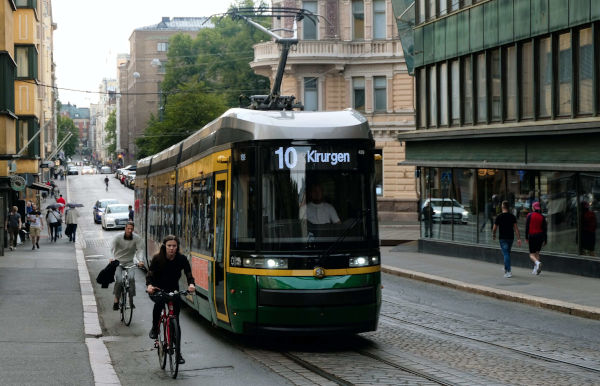 depending on the event's location and scale. Yet most sustainability plans focus almost entirely on on-site waste and energy.
Showing attendees exactly where the nearest transit stop, bike-share dock, or rideshare drop zone is — on the same map they're already using to navigate the event — meaningfully increases the chances they'll choose a lower-carbon option. It also removes the most common excuse: "I didn't know where to go."
3. Make Your Sustainability Efforts Visible and Verifiable
Modern audiences are savvy about greenwashing. Telling people your event is sustainable without showing them the evidence tends to backfire. An interactive public map that shows your waste diversion zones, local/vegan/vegetarian food vendors, water refill stations, bicycle parking areas, and transit connections is essentially a live, transparent receipt of your commitments.
This kind of visibility also creates accountability — if it's on the map, it has to actually be there.
4. Turn Attendees Into Participants
There's a difference between an attendee who tolerates your sustainability rules and one who actively embraces them. The second person is more likely to sort their waste correctly, share your initiatives on social media, and come back next year because they align with your values.
One effective tactic: create an informal "eco-trail" on your public map, highlighting unique sustainability features around the site — a stage built from reclaimed materials, a charging station powered by solar, a zero-waste food stall. It turns passive attendance into active participation without requiring much extra effort.
The Bottom Line
Figuring out how to make an event more sustainable isn't just about procurement decisions or energy contracts. A huge part of it is communication and design — making sure your attendees can find, use, and appreciate the infrastructure you've already built.
If you're putting in the work behind the scenes, it's worth making that work visible.
EventMapStudio helps event planners build public-facing sustainability maps alongside their site layouts — so your green initiatives are just as easy to find as the main stage. Explore a free trial here.
Blog comments